

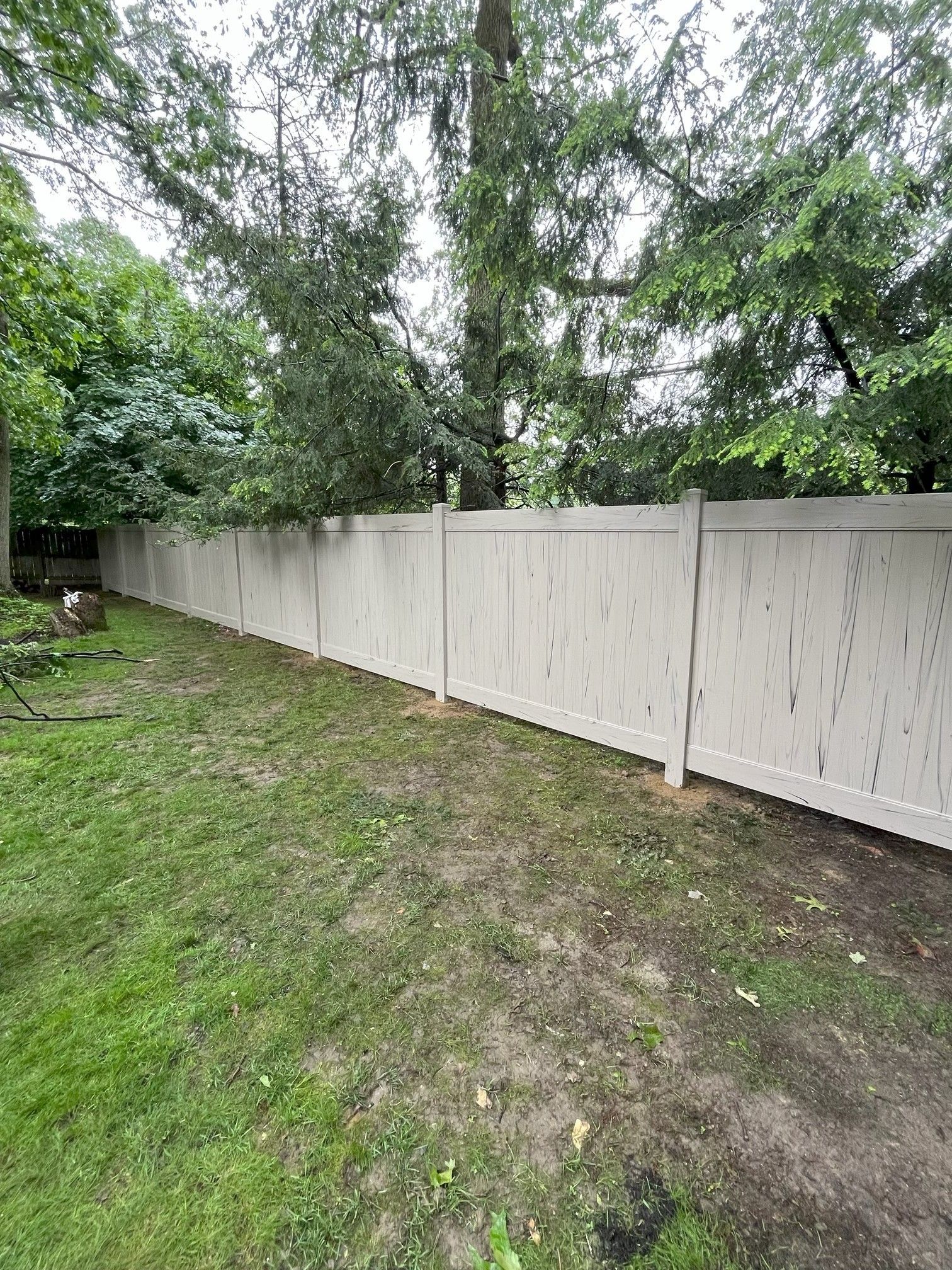
Compare privacy and semi-privacy fences to find the right balance of screening, airflow, light, and openness for your backyard.
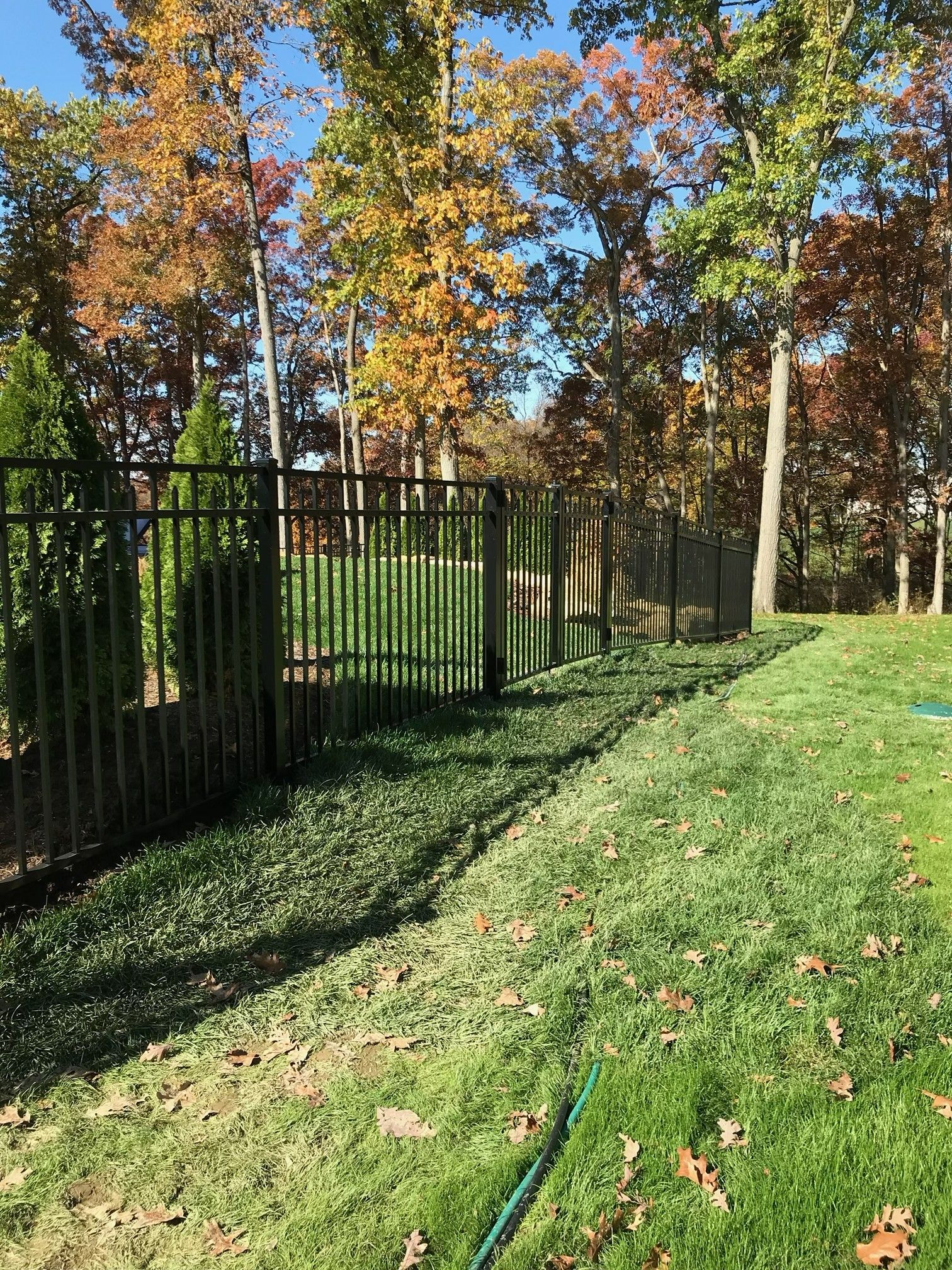
Learn how to choose the right fence for a sloped or uneven yard. Compare fence styles, installation methods, gaps, gates, and terrain considerations.
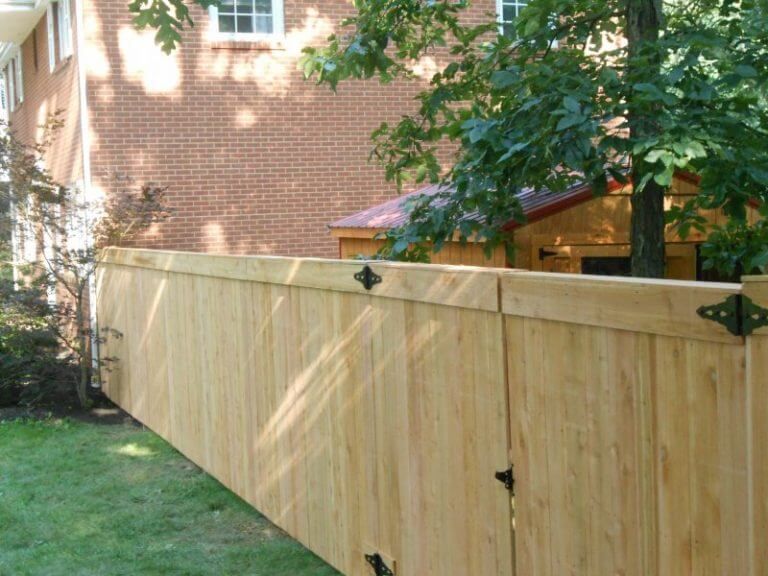
As a premier fence company in Pittsburgh, Fence by Maintenance Service knows how harsh the winters in our area can be. The winter season in Pennsylvania is rough on fencing with heavy snowfall, high winds, and driving rain. Therefore, it is crucial to choose the right type of fence to withstand the winter season’s worse.
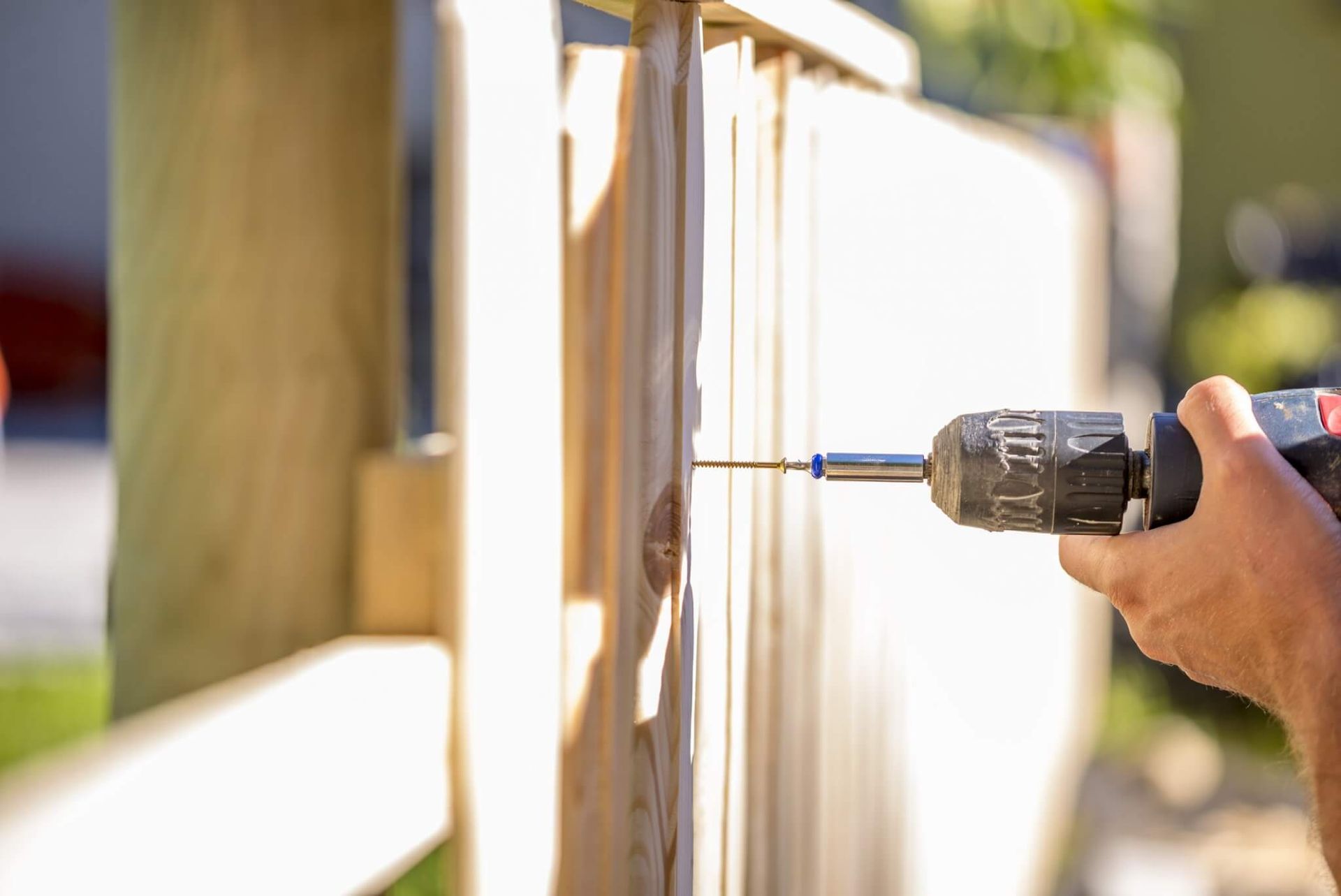
Now that you’ve chosen your fence installation company, you may be wondering what will happen next. At Fence by Maintenance Service , we’ve put together a guide on fence installation so you can better understand the process and what you can expect throughout the process.
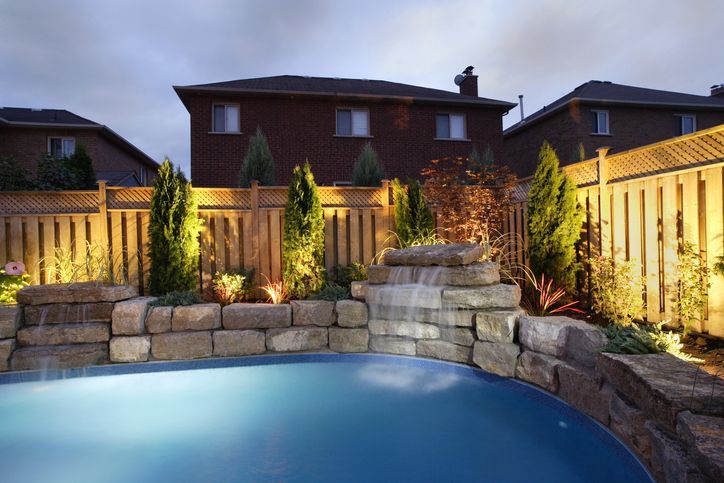
As a pool owner, it is crucial to keep your family safe. One of the most important parts of a pool safety plan is to have a fence installed around the pool. A pool fence can help prevent children and pets from accidentally falling in or drowning.
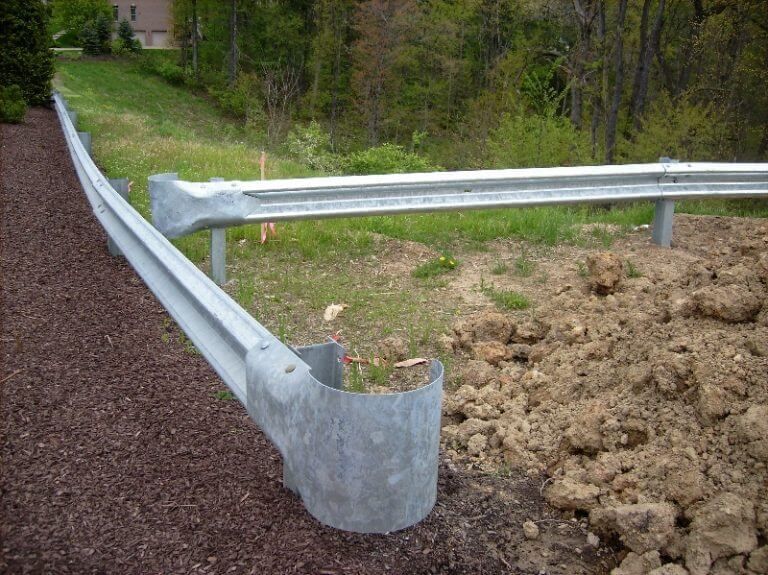
To put it simply, a guard rail is a safety barrier that is used to shield a driver that has left the roadway since, in many cases, the consequences of hitting the guard rail are less severe than hitting the objects beyond the guard rail.
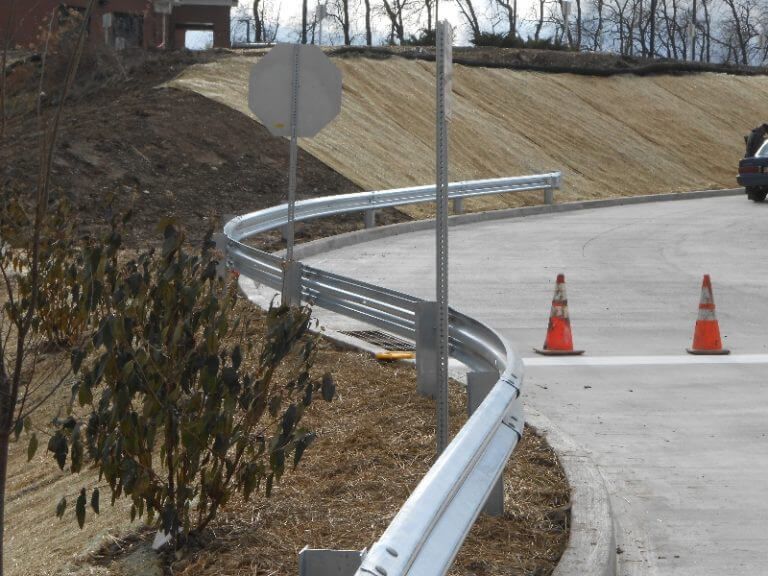
Guide rails serve a purpose for safety and create a barrier, making them a critical part of a variety of industrial structures. They have a variety of applications and are typically installed in highways as a barrier against vehicle impact, prevent falls, and in production areas. Guide rail assemblies are also installed at platform ends and are also used in mezzanine structures in places such as warehouses.
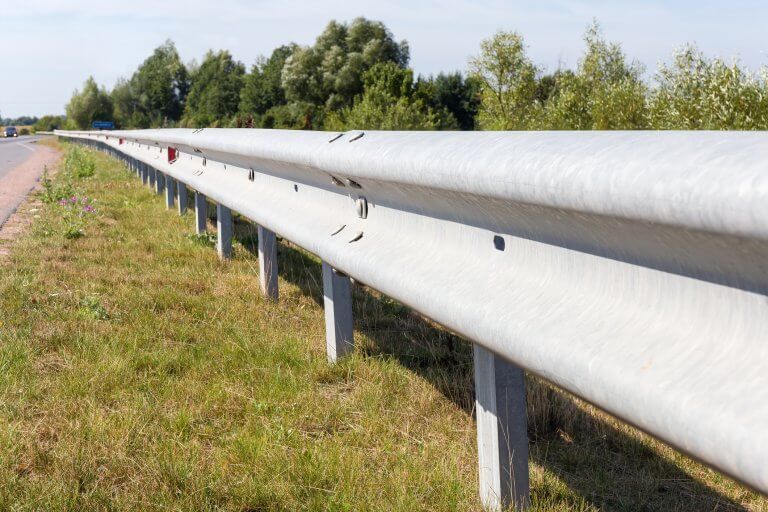
Highway guardrails are crucial to keeping roadways safe by helping to prevent minor accidents from escalating to major ones. Guard rails are normally placed in safe areas that protect drivers from more dangerous areas along roadways. They protect drivers from areas such as high embankments, dark curves, steep slopes, sharp corners, working to absorb the sudden impact of the collision. This helps to minimize injuries to the passengers and the vehicle, while also protecting pedestrians on the highway. Guardrail barriers keep drivers safe and are quickly repaired if there is an accident.
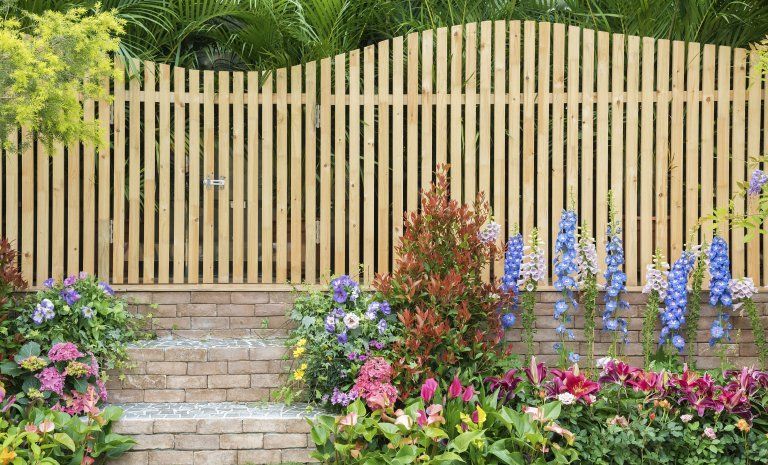
Part of finding the perfect fence for your home is not only choosing the color and design but is also choosing the material that will suit your aesthetic and security requirements. The durability and lifespan of your fence are the two most important factors.
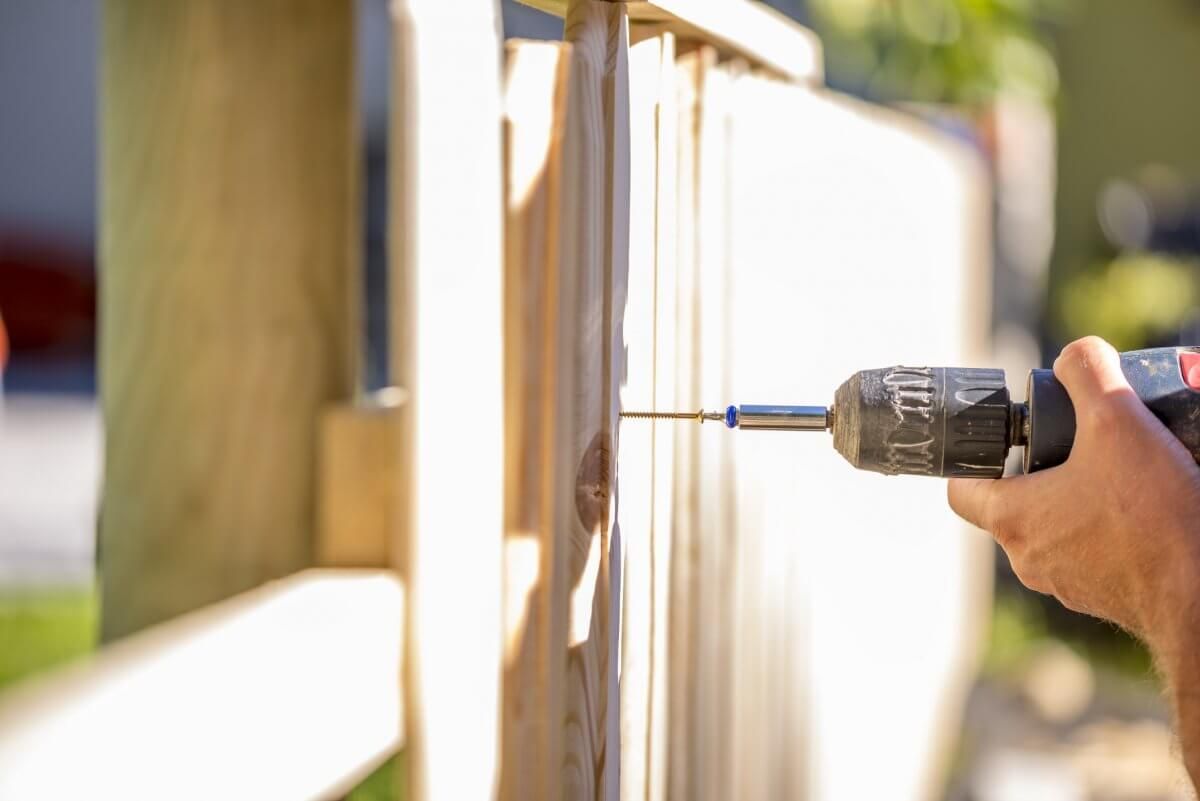
In some cases, ample forms of coverage such as walls, shrubs, trees, and even traditional and privacy fencing can make your home a target for burglars looking to strike during the daytime while many people are out at work. This covering around your home can provide them with a way to conceal themselves as they break into your home.